Plumber in Cincinnati, OH: Old Houses, Hills and Combined Sewers
Hiring a plumber in Cincinnati means hiring someone to work on a house that is probably older than the code book they learned from. The pipe in the basement, the lateral under the front yard and the sewer in the street all come with history, and a good local plumber reads that history before quoting.
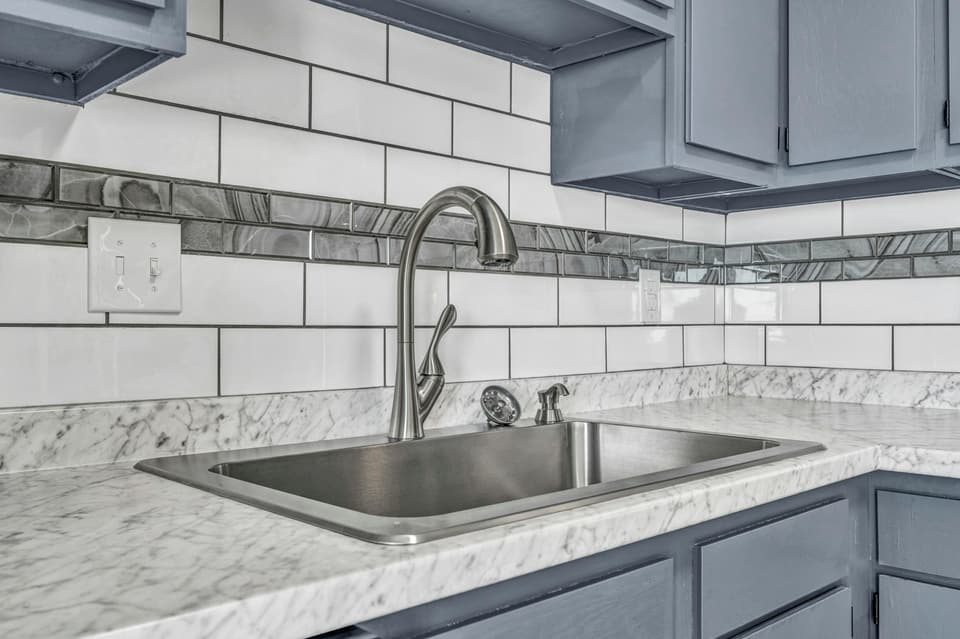
What a Cincinnati plumbing call usually turns out to be
Most calls here sort into a handful of jobs. A drain that has gone slow and then stopped, usually in the kitchen or the basement laundry. A main line backing up into the floor drain, which on a dry day is almost always roots or a break in the private lateral and on a wet day may be the public sewer. A leak: a supply line weeping inside a wall, a water heater dripping from the relief valve or the tank seam. A sump pump that has stopped switching on. And through January and February, pipes that froze along an outside wall and split.
The kind of call matters because it decides who should be on the phone first. A sewage backup during a storm is a call to MSD before it is a call to anyone else, because MSD's 48-hour reporting rule only runs one way. A slow drain or a leaking water heater is a plumber from the start.
The house you are calling about
Cincinnati's housing is old: over half of the city's owner-occupied homes were built before 1940, which is a much older stock than Hamilton County as a whole, where the median house dates from the early 1960s. That age shows up in specific, predictable places.
Before about 1920: Price Hill, Clifton, Northside, Over-the-Rhine
Brick and frame houses on steep lots, many with stone or block foundations and a basement floor drain that ties straight into the building sewer. Drain lines are typically clay outside and cast iron inside, sometimes with lead bends at the toilets. Supply pipe has often been replaced in stages, so a single house may have copper, galvanized steel and PEX in the same run. Expect a plumber to want to see the basement before quoting anything bigger than a fixture.
1920s to 1950s: Westwood, College Hill, Mount Washington
Bungalows, Cape Cods and brick colonials, mostly with full basements. Clay laterals with mortared or early compression joints are the norm, and after seventy-plus years of tree growth those joints are where roots get in. Galvanized supply pipe from this era narrows from the inside as it corrodes, which is why pressure drops at one faucet are common.
After the war: Delhi, Green and Anderson townships
Ranches, split-levels and two-storeys on larger lots, often with a sump pit and footing drains, sometimes with plastic or fibre drain pipe rather than clay. These houses back up less often from the public sewer and more often from a failed sump pump or a discharge line frozen solid in January.
Your sewer line is yours, further than you think
MSD's position is plain: if you own a building, you own its building sewer, the pipe running from the house to the point where it joins the public sewer. That includes the parts under the sidewalk and the street. You are responsible for keeping the entire length clear of clogs, and for repairing breaks on your own property. A break in a public easement or right-of-way is a conversation to have with MSD before anyone digs, because MSD may repair that section. Knowing this before the call saves an argument later: a camera inspection that finds a sag ten feet past the curb is still your problem to clear, and possibly not yours to dig.
Permits: city or county
Who issues the permit depends on which side of the city limit you live on.
Inside the City of Cincinnati
Plumbing permits and inspections are handled by the Plumbing Section of the city's Department of Buildings & Inspections. The city requires a separate plumbing permit for plumbing work, including replacing or relocating built-in fixtures and appliances, and its inspectors cover private storm drains and building sewers as well as indoor work.
Elsewhere in Hamilton County
Hamilton County Public Health's plumbing division issues permits across the county outside the city. To pull one, a plumbing contractor has to hold a current state licence from the Ohio Construction Industry Licensing Board (OCILB) and be registered and bonded with Hamilton County Public Health. Homeowner permits exist there too, but only for owner-occupants doing their own work on a single-family house they will keep living in.
For anything bigger than a fixture swap, ask the company quoting which permit they will pull and who inspects it. A plumber who suggests skipping the permit on a sewer repair is asking you to carry the risk of an uninspected pipe under your yard.
How to check a plumbing company before they start
Ohio's state plumbing contractor licence is issued by the OCILB, and you can look any licence up in the state's eLicense Center at elicense4.com.ohio.gov by name, company or licence number. The state licence is written around commercial work, and Ohio leaves most residential licensing to local jurisdictions, which is why the Hamilton County registration matters. The company that takes your job should hold the licence and the local registration; ask for both, and for a certificate of insurance, before work starts. Cincy Plumbing Pros holds neither and does no plumbing, so the licence that matters is the plumbing company's.
- Licence: an OCILB plumbing contractor licence, active, in the company's name
- Registration: with Hamilton County Public Health if you live outside the city
- Insurance: a current certificate of liability insurance
- Permit: which one, pulled by whom, and when the inspection happens
- Camera footage: on any sewer job, ask for a copy before you approve digging
Getting a quote you can compare
Cincinnati plumbing quotes come in two shapes. Some companies charge a flat price per job from a price book; others charge a service call plus time and materials. Neither is wrong, but they are hard to compare against each other. For drain work, ask whether the price covers one fixture or the main line, whether a camera inspection is included, and what happens if the first attempt does not clear it. For sewer repair, ask for the depth and location of the defect on the camera footage, the method (spot repair, full replacement, lining), what restoration of the lawn, sidewalk or street is included, and whether the permit fee is in the number. A written estimate that names those things is worth more than a cheaper one that does not.
Before anything else: the first ten minutes of a plumbing emergency
If water is coming from a pipe, close the main shutoff. In most Cincinnati houses it is in the basement where the water service comes through the front foundation wall, next to the meter. Turn it clockwise. If it will not move, do not force an old valve until it snaps; open the lowest faucet in the house to drain pressure while you get help.
If sewage is coming up a floor drain, stop running water and flushing anywhere in the house, keep children and pets out, stay out of standing water near outlets or the furnace, and take photos before you clean anything. If it happened during or after rain, report it to MSD within 48 hours of discovery.
If you smell gas near the water heater, leave the house and call the gas utility from outside. That one is not a plumbing call yet.
Once the water is off and you are safe, call and a local plumbing company will talk through what happens next.
When demand peaks, and why it matters to you
Searches for a plumber in Cincinnati run at roughly 2,400 a month for most of the year and jump to around 4,400 in February, when the thaw finds every pipe that split in a January cold snap. Big summer storms produce their own spike in basement calls. If you have a job that can wait, such as a camera inspection before finishing a basement, a water heater nearing the end of its life, or replacing galvanized supply pipe, booking it in late spring or early autumn avoids competing with the emergencies.
| Problem | First move | Who usually pays |
|---|---|---|
| Sewage up the floor drain during heavy rain | Stop using water; photograph; report to MSD within 48 hours | MSD, if it finds a public sewer capacity cause; otherwise you |
| Backup on a dry day | Stop using water; call a plumber to clear the main line | You: a clog or break in the private building sewer |
| Burst or frozen pipe | Close the main shutoff; open a low faucet | You; homeowner insurance often covers sudden water damage |
| Leaking water heater | Turn off the water to it, and the gas or power | You; check the tank warranty date on the label |
| Brown or discoloured water, low pressure at one tap | Note which taps; check whether the supply line is galvanized or lead | You for the house; GCWW for lead service line replacement |
Where we work in Cincinnati
- CliftonUptown, near UCbig late-1800s and early-1900s houses on the hill around the Gaslight district; original clay and cast-iron drain lines are still common, and so are mature street trees whose roots find the joints
- NorthsideNorth-centralolder frame houses on steep side streets off Hamilton Avenue, many with stone or block basements and a single floor drain doing all the work when a storm hits
- WestwoodWest sidethe city's largest neighbourhood by area and population, with housing from the 1900s to the 1950s; a long run of clay lateral out to the street is typical
- Hyde ParkEast sideearly-1900s houses with finished basements, which is exactly why a backup costs more here; in the July 2026 storms Observatory Avenue had a foot or two of water in the street
- Mount WashingtonFar east sidea neighbourhood where frequent backups led MSD to build separate stormwater pipes rather than install dozens of individual prevention devices
- Price HillWest side, above the riverEast, West and Lower Price Hill sit on steep ground with a lot of pre-1920 brick housing; long drops to the sewer and old galvanized supply lines both turn up
ZIP codes served45202 · 45204 · 45205 · 45206 · 45208 · 45209 · 45211 · 45219 · 45220 · 45223 · 45224 · 45230 · 45238
Common questions
How much does a plumber cost in Cincinnati?
It depends on the job far more than the hour. Clearing one blocked fixture is commonly quoted at about $150 to $350, a main line cleared from a basement cleanout at about $250 to $600, and excavating a broken lateral at several thousand dollars or more. The cost guide breaks those down and lists what moves each one.
Does a Cincinnati plumber need a licence?
A plumbing contractor needs an Ohio Construction Industry Licensing Board licence to pull permits in Hamilton County outside the city, plus registration and a bond with Hamilton County Public Health. Inside the city, the Department of Buildings & Inspections issues the permit. Look a licence up at elicense4.com.ohio.gov before work starts.
Who owns the sewer pipe under my front yard?
You do. MSD treats the private building sewer as the owner's from the house to the public sewer, including the parts under the sidewalk and street. You keep it clear; breaks on private property are yours to repair, and a break in the public right-of-way should be raised with MSD first.
Do I need a permit to replace a water heater in Cincinnati?
Inside the city, replacing a built-in appliance is plumbing work that needs a plumbing permit from Buildings & Inspections. Elsewhere in the county the rules sit with Hamilton County Public Health, so check with them or ask the company which permit they will pull.
My house has old galvanized pipe. Does it all need replacing?
Not necessarily at once. Galvanized supply pipe corrodes from the inside and loses flow, so the usual sign is weak pressure at particular taps. Many owners replace the worst runs first, often the horizontal lines in the basement, and do the rest when walls are open for other work.
Is it worth getting the sewer line cameraed before buying a house?
In Cincinnati, usually yes. Most older houses have a clay lateral, roots and offset joints are common, and the buyer inherits the whole pipe out to the public sewer. A camera inspection costs a few hundred dollars; a lateral replacement can cost well into five figures.
Will a plumber deal with MSD for me?
A plumber can find and document the cause, which helps a claim, but the report to MSD and the claim itself come from the owner or tenant. Make the report yourself within 48 hours and keep the plumber's invoice and any camera footage.
Do you cover Northern Kentucky?
No. Covington, Newport and the rest of Northern Kentucky are in another state with separate licensing and sewer districts. This site covers Cincinnati and the Hamilton County communities listed on it.
Are you a plumbing company?
No. This site is an advertising and referral service run by Pinecrest Advisory Services, LLC. Calls and requests go to one independent local plumbing company that quotes and does the work under its own licence. We hold no plumbing licence.
Also in Cincinnati
- Basement Sewer Backup Plumbing in Cincinnati
- Drain Cleaning in Cincinnati
- Sewer Line Repair in Cincinnati
- Emergency Plumber in Cincinnati
- Sump Pump Repair and Replacement in Cincinnati
Also serving
Plumbing is available beyond Cincinnati, across Norwood , Cheviot & Green Township , Delhi Township and Anderson Township .
Ask about plumbing
Say what is happening and where, and a local plumbing company will call you back. Answered Mon–Sat, 8am–6pm · after hours, the company's on-call rota applies Or call (513) 986-8088. If water is coming in right now, calling is quicker.